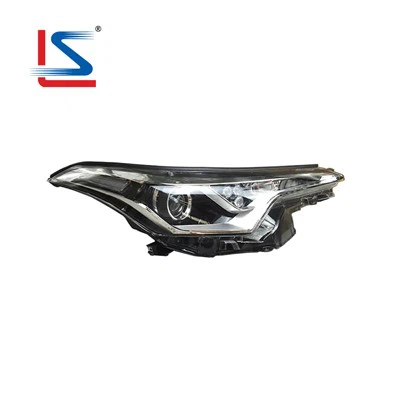
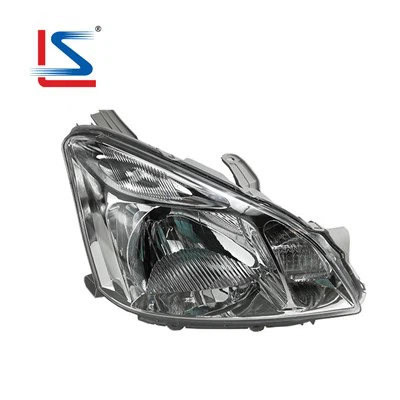
As a dedicated supplier of Toyota ist headlamps, I've delved deep into the various factors that can impact these essential automotive components. One question that frequently arises is whether Toyota ist headlamps are affected by heat. In this blog post, I'll explore this topic in detail, drawing on my industry experience and knowledge.
Understanding the Basics of Headlamp Construction
Before we can determine the impact of heat on Toyota ist headlamps, it's important to understand how they are constructed. A typical headlamp consists of several key components, including the housing, lens, bulb, and reflector. The housing is usually made of plastic or metal and provides the structure for the headlamp. The lens is a transparent or translucent cover that protects the bulb and helps to direct the light beam. The bulb is the source of light, and the reflector is used to focus and distribute the light in a specific pattern.
The materials used in the construction of these components can vary depending on the make and model of the vehicle, as well as the intended use of the headlamp. For example, some headlamps may use high - intensity discharge (HID) bulbs, which produce a brighter and more focused light than traditional halogen bulbs. These HID bulbs generate more heat during operation, which can have implications for the other components of the headlamp.
The Effects of Heat on Headlamp Components
Housing
The housing of a Toyota ist headlamp is often made of plastic. While plastic is a lightweight and cost - effective material, it can be sensitive to heat. Prolonged exposure to high temperatures can cause the plastic to warp or deform. This can lead to a misalignment of the headlamp components, which can affect the beam pattern and reduce the effectiveness of the headlamp. In extreme cases, the warping can even cause the housing to crack, allowing moisture and dust to enter the headlamp and potentially damaging the bulb and other internal components.
Lens
The lens of the headlamp is also susceptible to heat. Over time, exposure to high temperatures can cause the lens to yellow or become cloudy. This is due to a process called oxidation, which occurs when the plastic or polycarbonate material of the lens reacts with oxygen in the air. A yellowed or cloudy lens can significantly reduce the amount of light that is transmitted through the headlamp, reducing visibility for the driver. Additionally, the heat can cause the lens to expand and contract, which can lead to stress fractures and further degradation of the lens.
Bulb
The bulb is the most heat - generating component of the headlamp. Halogen bulbs, which are commonly used in Toyota ist headlamps, operate at very high temperatures. The filament inside the bulb can reach temperatures of up to 2500 degrees Celsius. While the bulb is designed to withstand these temperatures, excessive heat can still cause problems. For example, if the bulb is not properly ventilated, the heat can build up inside the headlamp and shorten the lifespan of the bulb. Additionally, high temperatures can cause the bulb to fail prematurely, leading to a loss of illumination.
Reflector
The reflector in a headlamp is responsible for directing the light from the bulb onto the road. It is usually made of a reflective material such as aluminum or silver. Heat can cause the reflector to lose its reflective properties over time. The high temperatures can cause the reflective coating to peel or become discolored, reducing the efficiency of the reflector and causing the light beam to be less focused and less bright.
Factors Contributing to Heat in Toyota ist Headlamps
Ambient Temperature
The outside temperature can have a significant impact on the temperature inside the headlamp. In hot climates, the ambient temperature can be very high, especially during the summer months. This can cause the headlamp components to heat up more quickly and reach higher temperatures than in cooler climates. Additionally, if the vehicle is parked in direct sunlight for an extended period of time, the heat from the sun can further increase the temperature inside the headlamp.
Driving Conditions
The way a vehicle is driven can also affect the temperature of the headlamps. For example, driving at high speeds for long periods of time can cause the headlamps to heat up more than driving at lower speeds. This is because the increased airflow around the vehicle at high speeds can cause the headlamp to work harder to maintain the same level of illumination. Additionally, stop - and - go traffic can also cause the headlamps to heat up, as the repeated starting and stopping can cause the bulbs to cycle on and off, generating more heat.
Bulb Type
As mentioned earlier, different types of bulbs generate different amounts of heat. HID bulbs, for example, produce more heat than halogen bulbs. If a Toyota ist is equipped with HID bulbs, the headlamp components may be exposed to higher temperatures, increasing the risk of heat - related damage.
Mitigating the Effects of Heat on Toyota ist Headlamps
Proper Ventilation
One of the most effective ways to reduce the impact of heat on headlamps is to ensure proper ventilation. Many modern headlamps are designed with ventilation systems that allow hot air to escape and cool air to enter the headlamp. This helps to maintain a more stable temperature inside the headlamp and reduces the risk of overheating. As a supplier, we ensure that our Toyota ist headlamps are equipped with efficient ventilation systems to minimize the effects of heat.


High - Quality Materials
Using high - quality materials in the construction of headlamps can also help to reduce the impact of heat. For example, using heat - resistant plastics for the housing and scratch - resistant, anti - yellowing materials for the lens can improve the durability of the headlamp. We source only the best materials for our Toyota ist headlamps to ensure that they can withstand the rigors of heat and other environmental factors.
Regular Maintenance
Regular maintenance is essential for keeping Toyota ist headlamps in good condition. This includes cleaning the headlamps regularly to remove dirt, dust, and debris, which can insulate the headlamp and cause it to heat up more quickly. Additionally, checking the bulbs regularly and replacing them when they start to show signs of wear can help to prevent heat - related problems.
Other Toyota Headlamp Products
In addition to Toyota ist headlamps, we also offer a wide range of other Toyota headlamp products. For example, we have the LAND CRUISER PRADO 2014 Head Lamp, which is designed to provide superior illumination and durability. Our TOYOTA RAV4 2015 2016 2017 2018 HEAD LAMP OEM 811100R110 8114542680 RAV4 HEADLIGHT is an original equipment manufacturer (OEM) product that meets the highest quality standards. And our TOYOTA HILUX VIGO 2004 - 2007 HEADLIGHT is specifically designed for the Hilux Vigo models from 2004 - 2007, offering a perfect fit and excellent performance.
Conclusion
In conclusion, heat can have a significant impact on Toyota ist headlamps. The various components of the headlamp, including the housing, lens, bulb, and reflector, can all be affected by high temperatures. However, by understanding the factors that contribute to heat and taking steps to mitigate its effects, such as ensuring proper ventilation, using high - quality materials, and performing regular maintenance, the lifespan and performance of the headlamps can be improved.
If you are in the market for high - quality Toyota ist headlamps or any other Toyota headlamp products, we invite you to contact us for a procurement discussion. We are committed to providing our customers with the best products and services, and we look forward to working with you to meet your automotive lighting needs.
References
- Automotive Lighting Handbook, Edited by Helmut Bublitz
- SAE International Standards on Automotive Lighting