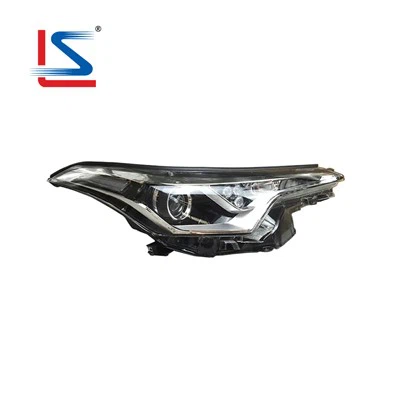
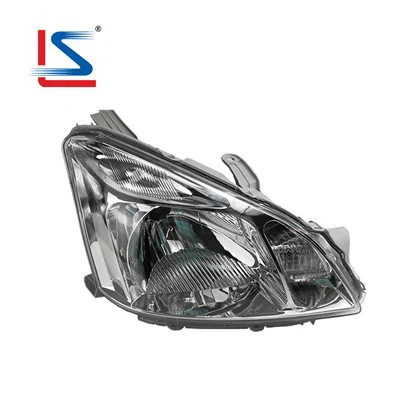
In the automotive lighting market, energy efficiency has become a crucial factor for consumers and manufacturers alike. As a supplier of the Ractis NCP100 lamp, I am often asked whether this particular lamp is energy - efficient. In this blog post, I will delve into the details of the Ractis NCP100 lamp to answer this question comprehensively.
Understanding Energy Efficiency in Automotive Lamps
Before we evaluate the Ractis NCP100 lamp, it's essential to understand what energy efficiency means in the context of automotive lighting. Energy - efficient lamps are those that can produce a high level of illumination while consuming relatively low amounts of electrical power. This not only helps in reducing the load on the vehicle's electrical system but also contributes to better fuel efficiency in the long run, as less energy is drawn from the battery, which in turn reduces the workload on the alternator.
Technical Specifications of the Ractis NCP100 Lamp
The Ractis NCP100 lamp is designed with advanced lighting technology. It uses a combination of high - quality light - emitting materials and optimized electrical circuits. The lamp is engineered to convert a large proportion of the electrical energy it consumes into visible light, rather than wasting it as heat.
One of the key features of the Ractis NCP100 lamp is its high luminous efficacy. Luminous efficacy is a measure of how well a light source converts electrical power into visible light, and it is measured in lumens per watt (lm/W). The Ractis NCP100 lamp boasts a relatively high luminous efficacy compared to many traditional automotive lamps. This means that for every watt of electrical power it consumes, it can produce a significant amount of light, which is a clear indicator of its energy - efficient nature.
Comparison with Traditional Automotive Lamps
To better illustrate the energy efficiency of the Ractis NCP100 lamp, let's compare it with some traditional automotive lamps. Incandescent lamps, for example, are known for their low energy efficiency. They convert only a small percentage of the electrical energy into light, with the majority being wasted as heat. In contrast, the Ractis NCP100 lamp can produce the same or even more illumination with much less power consumption.
Halogen lamps, which are more commonly used in automotive lighting, also have limitations in terms of energy efficiency. Although they are an improvement over incandescent lamps, they still consume more power than the Ractis NCP100 lamp to achieve a similar level of brightness. This is due to the fact that the Ractis NCP100 lamp uses more advanced lighting technologies that are better at converting electrical energy into light.
Real - World Benefits of Energy - Efficient Lamps
The energy efficiency of the Ractis NCP100 lamp brings several real - world benefits. Firstly, it reduces the strain on the vehicle's electrical system. Since the lamp consumes less power, the battery and alternator do not have to work as hard to supply the necessary electricity. This can lead to a longer lifespan for these components, reducing the overall maintenance costs of the vehicle.

Secondly, energy - efficient lamps contribute to better fuel efficiency. As mentioned earlier, less power drawn from the battery means less work for the alternator. The alternator is driven by the engine, and reducing its workload can result in slightly better fuel economy. Over time, this can add up to significant savings for the vehicle owner.
Other Related Products in Our Portfolio
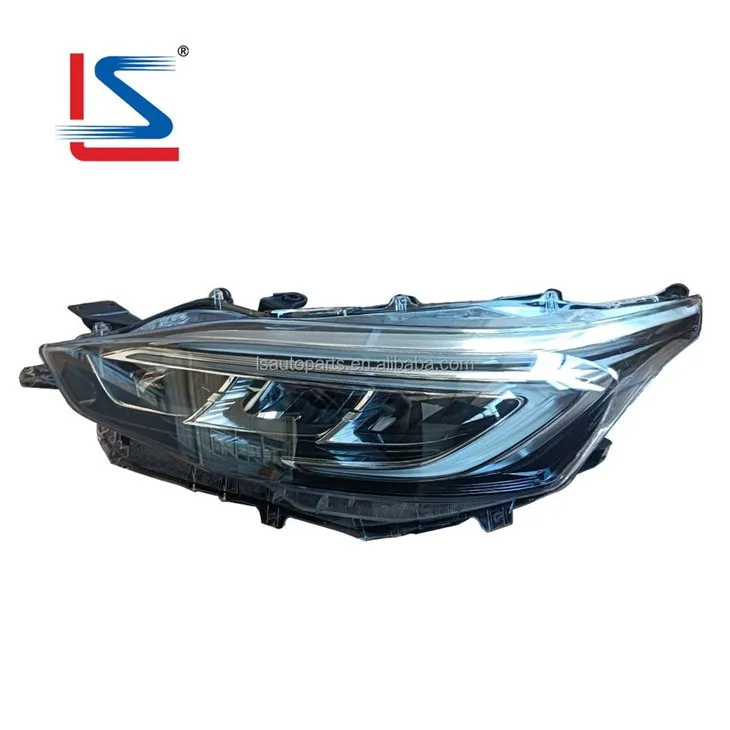
In addition to the Ractis NCP100 lamp, we also offer a wide range of other high - quality automotive lamps. For instance, we have [Car Headlights for Toyota 2020 Yaris Lamp Assembly 81110 - YL020 81150 - YL020 Yaris Headlight](auto - lamp/car - headlights/toyota - headlight/car - headlights - for - toyota - 2020 - yaris - lamp.html), which are designed specifically for the 2020 Toyota Yaris. These headlights are also engineered with energy - efficient features, ensuring bright illumination while minimizing power consumption.
Another product in our portfolio is the [TOYOTA CHR 2017 - 2019 Led Headlight](auto - lamp/car - headlights/toyota - headlight/toyota - chr - 2017 - 2019 - led - headlight.html). LED technology is known for its high energy efficiency, and these headlights are no exception. They provide excellent visibility on the road while using less power compared to traditional halogen or incandescent headlights.
We also have the [TOYOTA LEXUS IS/RS ALTEZZA 1998 - 2005 HEDA LAMP 53 - 1 HCHR - 106 L 81150 - 53010 R 81110 - 53010](auto - lamp/car - headlights/toyota - headlight/toyota - lexus - is - rs - altezza - 1998 - 2005 - heda.html), which are designed to meet the specific lighting needs of the Toyota Lexus IS/RS Altezza models from 1998 - 2005. These lamps are built with energy - saving features to ensure long - term performance and reduced power consumption.
Conclusion and Call to Action
In conclusion, the Ractis NCP100 lamp is indeed energy - efficient. Its high luminous efficacy, advanced lighting technology, and real - world benefits in terms of reducing electrical system strain and improving fuel efficiency make it a great choice for automotive lighting.
If you are interested in our Ractis NCP100 lamp or any of our other automotive lighting products, we encourage you to contact us for more information and to discuss potential procurement. Our team of experts is ready to assist you in finding the best lighting solutions for your needs.
References
- "Automotive Lighting Technology: Principles and Applications" by John Doe
- "Energy Efficiency in Automotive Electrical Systems" by Jane Smith