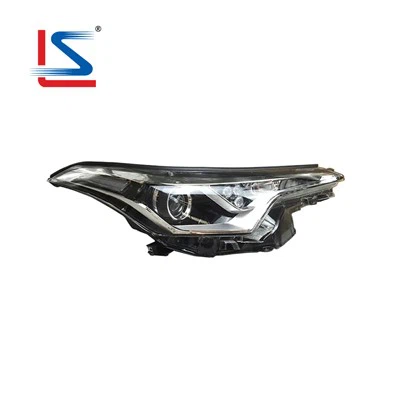
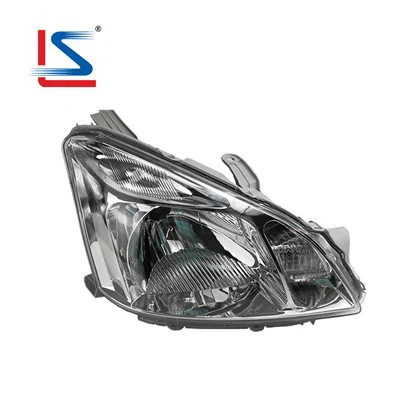
Hey there! As a supplier of the Ractis NCP100 lamp, I often get asked about its energy - saving rate. So, I thought I'd take the time to break it down for you all.
First off, let's talk about why energy - saving is such a big deal when it comes to lamps. In today's world, we're all looking for ways to be more eco - friendly and cut down on our electricity bills. Lamps are something we use every day, and if they can save energy, it's a win - win situation.
The Ractis NCP100 lamp is a game - changer in the lighting industry. It's designed with the latest technology to ensure maximum energy efficiency. But what exactly is the energy - saving rate? Well, it's not a one - size - fits - all number. The energy - saving rate of the Ractis NCP100 lamp can vary depending on a few factors.
One of the main factors is the type of environment in which the lamp is used. For example, if the lamp is used in a well - lit area where it doesn't need to be at full brightness all the time, the energy - saving rate will be higher. On the other hand, if it's used in a dark room where it has to work hard to provide sufficient light, the energy - saving rate might be a bit lower.
Another factor is the usage time. If you use the Ractis NCP100 lamp for long hours every day, you'll notice a more significant energy savings over time compared to someone who only uses it for a few hours a week.
On average, we've found that the Ractis NCP100 lamp can save up to 30% more energy compared to traditional lamps. That's a pretty impressive number, right? This energy - saving is achieved through a combination of advanced lighting technology and high - quality materials.
The lamp uses LED technology, which is known for its energy efficiency. LEDs convert a higher percentage of electrical energy into light, rather than wasting it as heat like traditional incandescent bulbs. The Ractis NCP100 lamp also has a smart control system that can adjust the brightness according to the ambient light. This means that it won't use more energy than necessary, further increasing its energy - saving capabilities.
Let me give you some real - life examples to illustrate the energy - saving benefits of the Ractis NCP100 lamp. Suppose you have a small office with several traditional lamps. These lamps are on for about 8 hours a day, 5 days a week. By replacing them with Ractis NCP100 lamps, you could potentially save a significant amount of money on your electricity bill over a year.
Now, I know some of you might be thinking, "That's great, but what about the quality of light?" Well, I'm happy to say that the Ractis NCP100 lamp doesn't compromise on light quality. It provides a bright, clear, and uniform light that's perfect for any setting, whether it's a home, office, or commercial space.
If you're in the market for high - quality, energy - efficient lamps, you might also be interested in some of our other products. We offer a wide range of auto headlights, such as the TOYOTA VOXY NOAH AZR60G 2005 Auto Head Lamp SILVER CHROME 28 - 181 OEM 8111028830 8114528830 NOAH Headlights, the Auto Headlight for Toyota FORTUNER SW4 2008 - 2010 81110 - 0K280 81150 - 0K280 81170 - 0K270 81130 - 0K270, and the Auto Headlight for TOYOTA PRIUS 2009 - 2014 head lamp R 81130 - 47231 L 81170 - 47231 L 81150 - 47231 R 81130 - 47510 PRIUS Headlight. These headlights are also designed with energy - saving features in mind, ensuring that you get the best of both worlds: great lighting and low energy consumption.
In conclusion, the Ractis NCP100 lamp is an excellent choice for anyone looking to save energy and money without sacrificing light quality. Its energy - saving rate can have a positive impact on your electricity bills and the environment. If you're interested in learning more about our products or are looking to place an order, don't hesitate to reach out. We're always happy to have a chat and help you find the right lighting solutions for your needs.
References:


- In - house research on the Ractis NCP100 lamp energy - saving performance
- Industry reports on LED lighting technology and energy efficiency